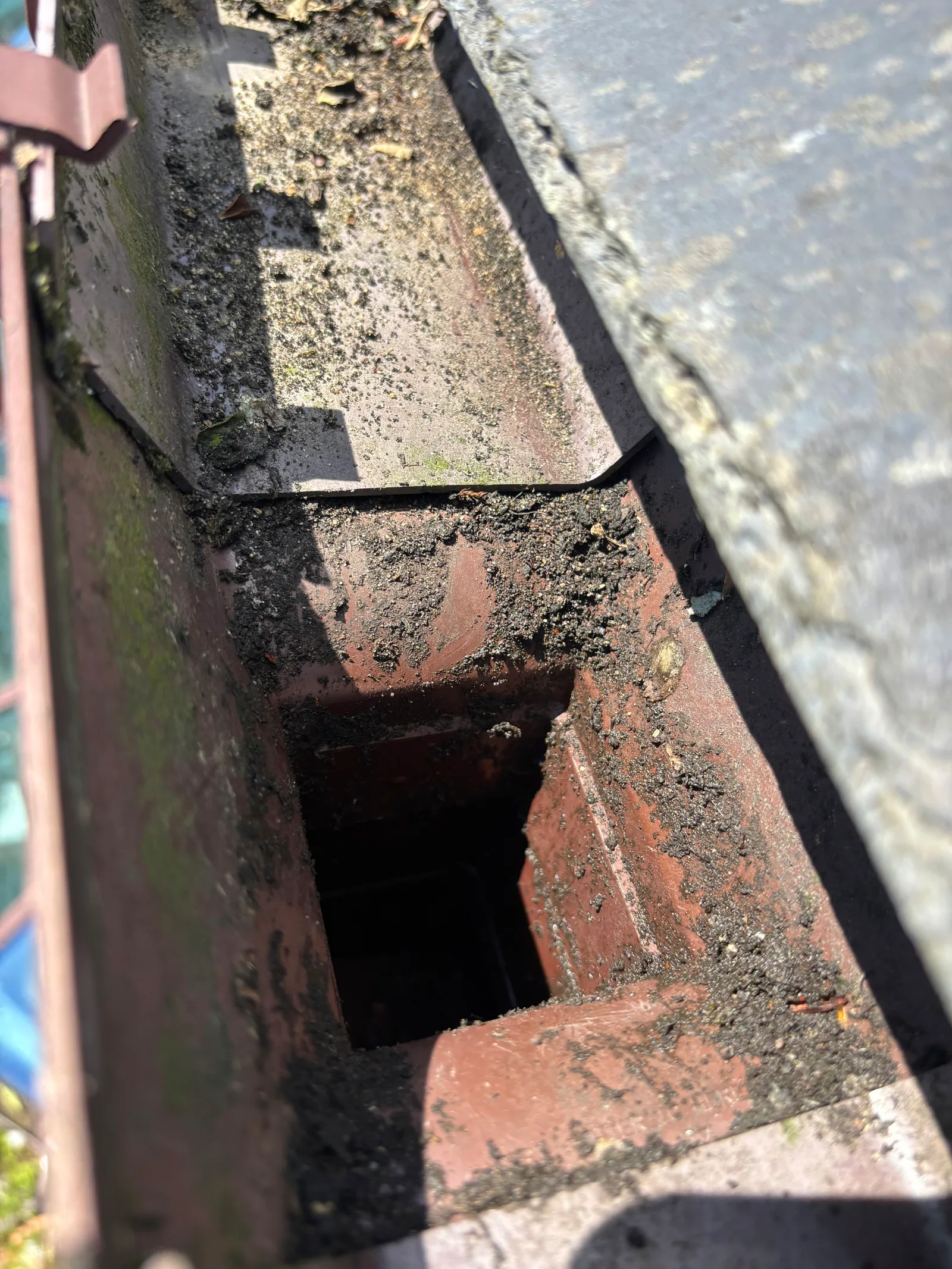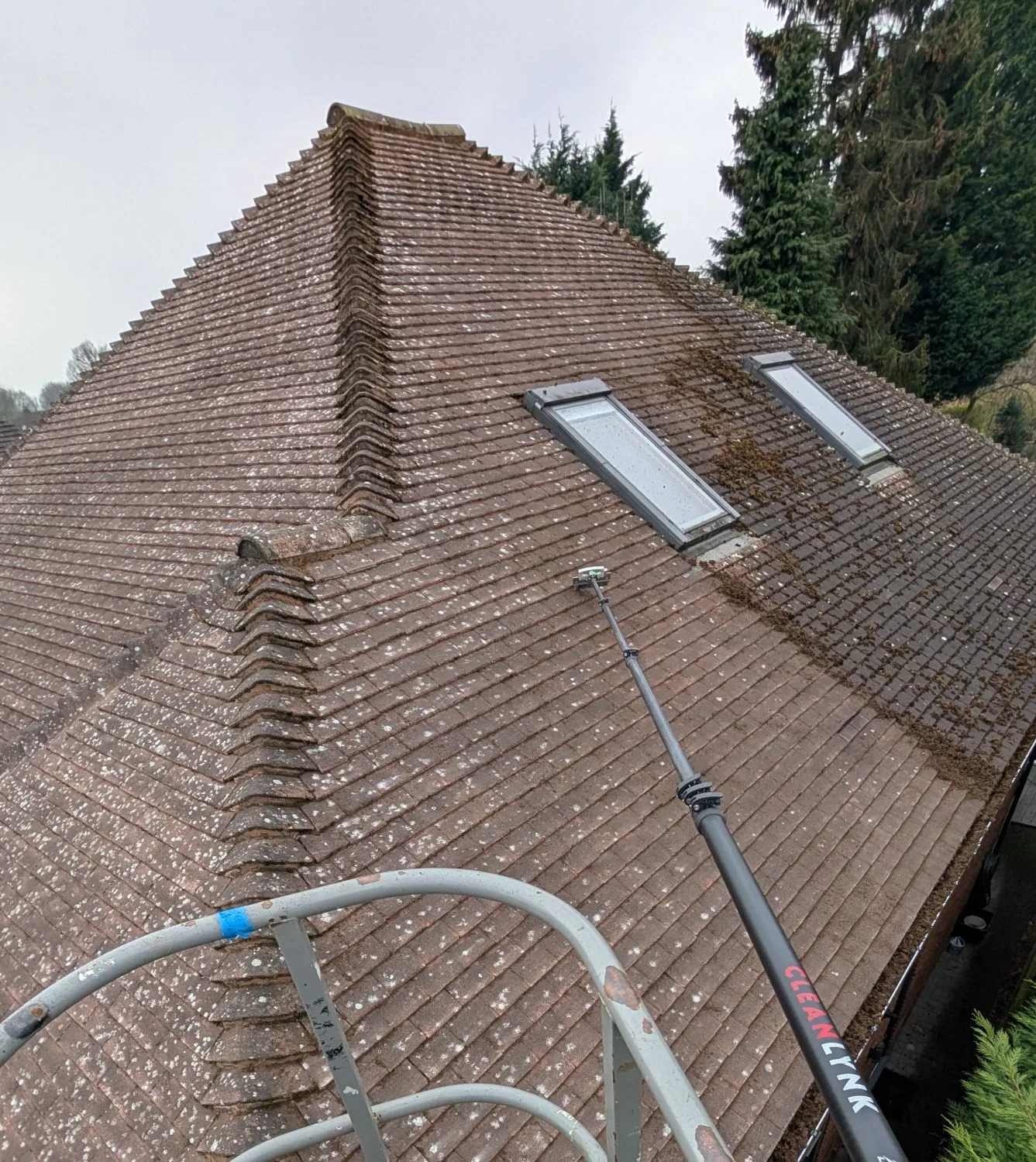
Leeds is a city of contrasts — Victorian back-to-backs in Headingley, grand Edwardian semis along Roundhay’s tree-lined avenues, sprawling detached homes in Alwoodley. What they all share is the Aire valley’s persistent humidity, mature tree cover and the moss that comes with it. I clean roofs across every Leeds postcode by hand, then treat with biocide so the results last years, not months. One operator, personal service — even across a city this size.
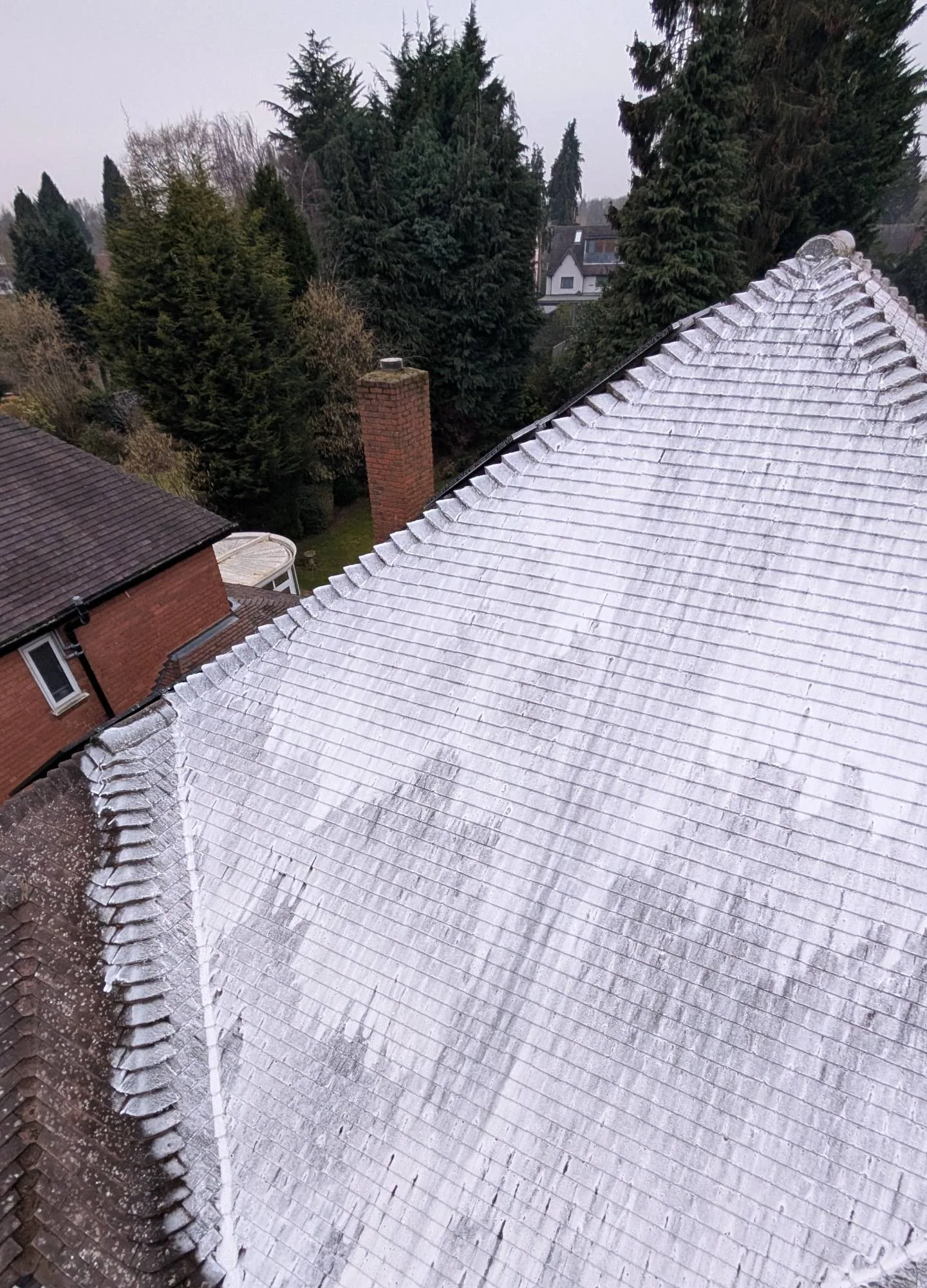
Manual roof moss removal means scraping moss, lichen and algae from roof tiles by hand using specialist tools — no high-pressure water involved at any stage. Leeds is a city where this approach matters more than most. The Aire valley funnels moisture through the city, keeping humidity levels consistently higher than surrounding hilltop areas. Add in the dense mature tree cover across suburbs like Headingley (LS6), Roundhay (LS8) and Chapel Allerton (LS7), and you get accelerated moss growth that can overwhelm a roof in just a few years. Leeds also has an exceptionally varied housing stock — from stone-built Victorian back-to-backs and slate-roofed Edwardian villas to 1930s concrete-tiled semis in Horsforth and modern interlocking tiles on newer estates. Each tile type reacts differently to cleaning. Pressure washing strips the protective granule layer from concrete tiles, cracks ageing slates and drives water under flashings on any roof type. Manual scraping removes growth without damaging the tile surface, preserving its weatherproofing for years to come. After scraping, a professional-grade biocide is applied to kill remaining spores and inhibit regrowth — typically keeping moss at bay for three to five years depending on exposure and tree proximity.
Every tile inspected before we start. Scraping technique adjusted to the tile type. No shortcuts.
Leeds has one of the most diverse housing stocks in Yorkshire. In LS6 you’ll find Victorian back-to-backs with original Welsh slate roofs sitting next to Edwardian terraces with clay plain tiles. Cross the city to Roundhay and there are large semis with complex multi-hip rooflines. Out in Alwoodley and Adel, detached properties often have steep pitches and multiple dormers. A one-size-fits-all pressure wash doesn’t work across this range — the technique has to match the tile.
I inspect every roof before starting, identify the tile type and condition, and adjust my approach accordingly. Stone flags get treated differently to modern interlocking concrete. You get before and after photos documenting everything. And the biocide treatment means results last — typically 2–4 years before moss begins returning, longer on south-facing pitches.
Every roof is different — but here’s what to expect as a guide for Leeds.
Prices vary with roof access, pitch and condition. Happy to quote from your address in Leeds.
Typical cost ranges by property type. Final price depends on pitch, access and moss coverage.
| Property type | Approx. roof area | Scraping cost | + Biocide |
|---|---|---|---|
| 2-bed back-to-back (Headingley, LS6) | 30–45 m² | £160–£250 | +£60–£100 |
| 3-bed Edwardian semi (Roundhay, LS8) | 60–85 m² | £280–£400 | +£120–£180 |
| 1930s semi (Horsforth, LS18) | 55–75 m² | £260–£380 | +£110–£160 |
| Large detached (Alwoodley, LS17) | 100–140 m² | £450–£750+ | +£200–£300+ |
Includes gutters cleared of fallen moss and before & after photos. No VAT. Get a free quote →
Pressure washing a roof looks dramatic on a TikTok video. But it strips the protective surface off tiles, forces water under flashings, and can crack older concrete tiles on the spot. Manual scraping is slower, but your roof actually survives the process.
Based locally and covering every corner of Leeds — from the inner suburbs to the outer villages.
Covering LS1–LS29 postcodes across the full Leeds district
The stuff people actually ask. If yours isn’t here, give me a ring.
Manual moss scraping in Leeds starts from £4 per m², with biocide treatment from £2 per m² on top. Leeds has an enormous range of property sizes — a Victorian back-to-back in Headingley (LS6) with a compact roof might come in at £160–£250, a three-bedroom Edwardian semi in Roundhay (LS8) typically runs £280–£400, and the larger detached properties in Alwoodley (LS17) or Adel (LS16) can be £450–£750+ depending on roof complexity and access. Steep pitches, dormers and multi-hip rooflines all add time. Biocide is always recommended — Leeds sits in the Aire valley where humidity is consistently higher than on surrounding hillsides, and that moisture drives faster regrowth. I can usually quote from your address alone using aerial imagery.
Leeds sits in the Aire valley, which traps moisture and keeps humidity levels elevated compared to more exposed hilltop areas. Combine that with the city’s mature tree canopy — particularly dense in suburbs like Headingley, Roundhay and Chapel Allerton — and you get ideal conditions for moss, lichen and algae growth. North-facing roof pitches in these tree-lined streets can develop thick moss coverage in just two to three years. The mix of construction types compounds the issue: older stone-built properties hold moisture differently to brick, and the porous nature of many pre-war concrete tiles means moss roots can establish deeply if left untreated. Regular cleaning and biocide treatment is the most effective way to stay ahead of it.
I cover the full Leeds postcode area — LS1 through to LS29. My most common working areas are LS6 (Headingley, Hyde Park), LS7 (Chapel Allerton), LS8 (Roundhay, Oakwood), LS16 (Adel, Bramhope), LS17 (Alwoodley, Moortown) and LS18 (Horsforth). But I regularly work in outer Leeds too — Wetherby (LS22), Otley (LS21), Garforth, Rothwell and everywhere in between. Same pricing, same standard of work, same before and after photos regardless of which part of Leeds you’re in. I’m based in Skipton so I travel through north and west Leeds regularly. Drop me your address and I’ll get a quote back to you quickly.
No — and this is a common problem across Leeds. A lot of properties in areas like Horsforth, Moortown and Roundhay have older concrete tiles from the 1930s onwards, and these are particularly vulnerable to pressure washing damage. The high-pressure water strips the protective granular surface off the tile, which makes them porous and actually accelerates moss regrowth. Worse, the force can crack tiles outright — especially in winter when tiles may already be weakened by frost cycles. Pressure washing also drives water under ridge tiles and flashings, causing leaks that may not show up for weeks. Manual scraping avoids all of these problems. It takes longer, but your roof survives the process intact, and the biocide treatment I apply afterwards keeps it clean for years rather than months.
Send your address and I’ll have a quote back to you within the hour — no obligation, no fuss.