Home Gutter Cleaning Roof Cleaning Pressure Washing Locations About Blog Free Quote
Home Locations Roof Cleaning Clitheroe
Clitheroe & Ribble Valley IPAF Certified No Pressure Washing

Ribble Valley roofs cleaned properly.
Clitheroe & surrounding villages.

Clitheroe sits in the heart of the Ribble Valley — beautiful setting, but the sheltered valleys, high rainfall and proximity to open countryside mean moss establishes fast and grows thick. Stone-built properties in the conservation area, Victorian terraces and 1960s estates all get hit. I remove moss by hand, treat with biocide and leave your roof clean for years, not months.

Written by Richard, IPAF-certified roof cleaning operator — 700+ jobs across Yorkshire. .

£4–£8 per m² · biocide from £2/m²
0+
Roofs Cleaned
0%
No Pressure Washing
0 yrs
Biocide Lasts Up To
0%
Fully Insured

What is manual roof moss removal — and why does Clitheroe need it?

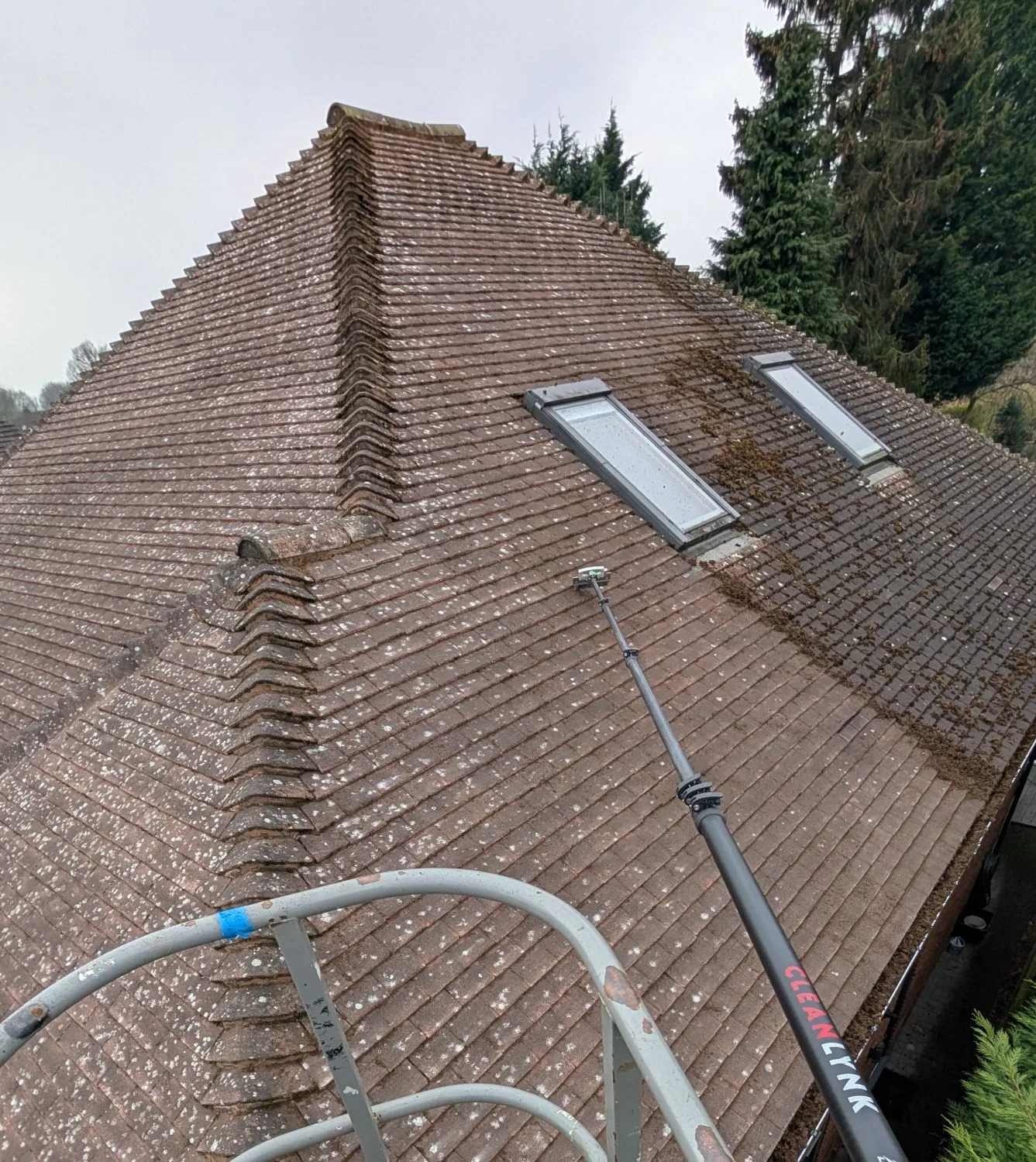
Manual roof moss removal in Clitheroe means hand-scraping moss, lichen and organic growth from roof tiles using hand tools — no high-pressure water equipment. Clitheroe’s position in the Ribble Valley, sheltered by Pendle Hill and the Bowland Fells, creates persistently damp conditions that accelerate moss growth well beyond what you’d see in more exposed or urban areas. The BB7 postcode covers a wide range of property types: stone-built cottages in the town centre conservation area with traditional stone slate roofs, Victorian terraces along the main roads, 1960s–70s estates around the Low Moor area with concrete interlocking tiles, and larger detached properties on the outskirts towards Waddington and Bashall Eaves. Each roof type demands a different scraping approach. Stone slates need particularly careful handling — pressure washing drives water behind them and dislodges lime mortar bedding, causing expensive damage. Gritstone and limestone tiles, common across Clitheroe, are porous and absorb moisture if their surface is stripped. Manual scraping preserves the tile surface while removing all growth. A professional-grade biocide applied after scraping kills remaining spores and prevents moss returning for typically three to five years, though the Ribble Valley’s high rainfall means properties in more sheltered spots may benefit from retreatment sooner.

Roof moss removal in Clitheroe — manual scraping by Hugo's

Manual scraping. No tile damage.

Every tile inspected before we start. Scraping technique adjusted to the tile type. No shortcuts.

Why do Clitheroe’s stone cottages and valley-sheltered estates need a specialist approach?

Clitheroe’s mix of building ages and materials — from stone slate roofs in the Castle area to concrete tiles on Low Moor estates — means no single cleaning method fits every roof. The town’s position in the Ribble Valley traps moisture and limits drying winds, so moss growth here is heavier and more persistent than in more exposed Lancashire towns. Pressure washing strips protective surfaces, forces water under stone slates and cracks older tiles. Manual scraping is the only method I use because it works without causing damage.

I inspect every roof before starting work, assess the tile type and moss severity, and adapt the technique accordingly. Properties in the conservation area with traditional stone slates get handled very differently to a 1970s concrete tile roof on the estates. You get before and after photos so you can see exactly what was done. And the biocide treatment means the results last — critical in a valley setting where moss comes back faster than most areas.
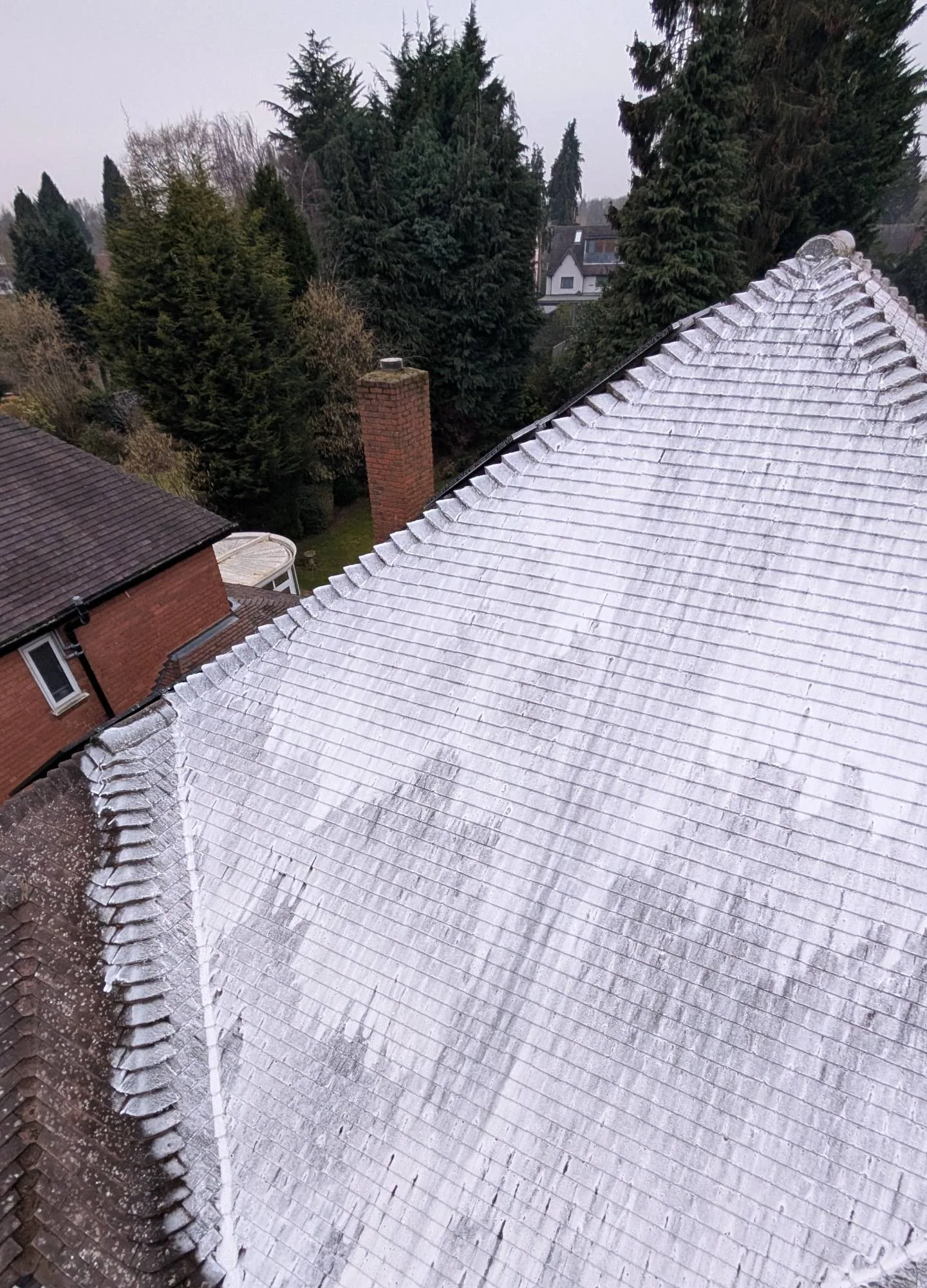
Full details about our roof cleaning method →

Straightforward pricing. No surprises.

Every roof is different — but here’s what to expect as a guide for Clitheroe and the Ribble Valley.

Moss Removal

Manual Scraping

£4–£8 /m²
  • Full roof inspection
  • Hand-scraping of all moss & debris
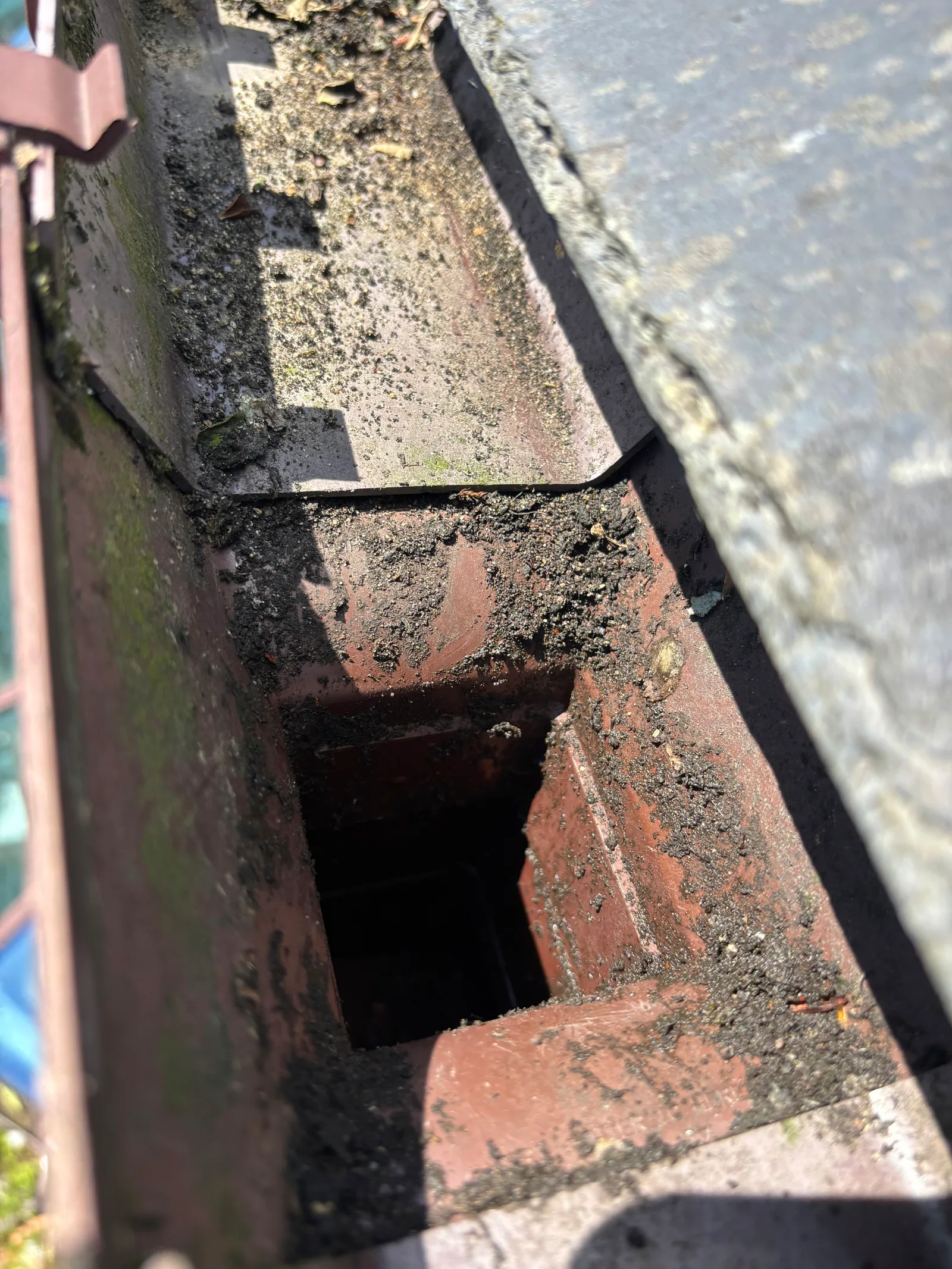
  • Gutters cleared of fallen moss
  • Before & after photos
Prevention

Biocide Treatment

£2–£3 /m²
  • Professional-grade biocide application
  • Kills remaining moss spores
  • Prevents regrowth for years
  • Repeat maintenance available

Prices vary with roof access, pitch and condition. Happy to quote from your address in Clitheroe or the Ribble Valley.

How much does roof cleaning cost in Clitheroe?

Typical cost ranges by property size. Final price depends on pitch, access and moss coverage.

Property type Approx. roof area Scraping cost + Biocide
Stone cottage (town centre) 35–50 m² £160–£260 +£70–£110
Victorian terrace 45–65 m² £200–£340 +£90–£140
3-bed semi (Low Moor estate) 55–80 m² £260–£380 +£110–£165
Large detached (Waddington / outskirts) 100 m²+ £450+ +£200+

Includes gutters cleared of fallen moss and before & after photos. No VAT. Get a free quote →

Why I scrape by hand — not blast with a pressure washer.

Pressure washing a roof looks dramatic on a TikTok video. But it strips the protective surface off tiles, forces water under flashings, and can crack older concrete tiles on the spot. Manual scraping is slower, but your roof actually survives the process.

Pressure Washing
Strips tile surface coating
Forces water under flashings
Can crack older tiles
Moss regrows faster
Manual Scraping
Preserves tile integrity
No water ingress risk
Safe for all tile types
Biocide prevents regrowth
Roof cleaning in Clitheroe — manual moss removal by Hugo’s

Roof cleaning across Clitheroe and the Ribble Valley.

Based in Skipton — just twenty minutes from Clitheroe. I cover the town and every village around it.

Clitheroe Whalley Waddington Bashall Eaves Chatburn Barrow Sabden Pendleton Hurst Green Read Simonstone

Covering the BB7 postcode and surrounding Ribble Valley villages

Common questions about roof cleaning in Clitheroe.

The stuff people actually ask. If yours isn’t here, give me a ring.

07356 248558

Roof cleaning in Clitheroe starts from £4 per m² for manual moss scraping, with biocide treatment from £2 per m². Clitheroe has a real mix of property sizes — stone-built cottages in the town centre typically cost £200–£300 for scraping, a three-bedroom semi on a 1960s estate £260–£380, and the larger detached properties out towards Waddington or Bashall Eaves £450–£700+ depending on roof area, pitch and access. Many older Clitheroe roofs use stone slate or heavy concrete tiles that need careful handling. Biocide is additional at £2–£3/m² and is well worth it given the Ribble Valley’s high rainfall and sheltered conditions, which drive fast moss regrowth. I can usually quote from your address alone — send it over and I’ll get a price back to you quickly.

No — and this is especially relevant in Clitheroe where stone slate roofs are common on older properties in the town centre and conservation area. Stone slates are bedded differently to modern interlocking tiles and are far more vulnerable to water ingress from high-pressure equipment. Pressure washing can also dislodge the lime mortar bedding on ridge tiles, which is expensive to re-point. Manual scraping removes moss without forcing water under slates or stripping the natural surface. For the gritstone and limestone tiles found across Clitheroe, hand scraping followed by biocide is the only method I’d recommend. It takes longer, but your roof stays intact.

Yes — Whalley, Waddington, Bashall Eaves, Chatburn, Barrow, Sabden, Pendleton, Hurst Green, Read and Simonstone are all within my regular working area. Same pricing, same standard of work, same before and after photos. The Ribble Valley villages tend to have older stone properties with complex rooflines and heavier moss growth than you’d see in more urban areas, largely because of the sheltered valley setting and high rainfall. I’m based in Skipton so I’m only twenty minutes away — Clitheroe and the surrounding area is one of my core patches. Get in touch with your address and I’ll turn a quote around quickly.

The Ribble Valley has some of the highest annual rainfall in Lancashire, and Clitheroe sits in a sheltered valley surrounded by Pendle Hill and the Bowland Fells. This combination of moisture, shelter from drying winds, and proximity to open countryside creates near-perfect conditions for moss and lichen growth. North-facing roof pitches in the BB7 area can develop thick moss coverage in as little as two to three years. Properties backing onto fields or woodland see even faster growth due to airborne spores. Biocide treatment after scraping is the most effective way to slow regrowth — it kills spores at the surface and typically extends the interval between cleans to three to five years.

Services built on doing the job properly.

Two core services. All done by hand, all backed by photos.

Need a roof clean in Clitheroe or the Ribble Valley?
Get your free quote.

Get a free, no-obligation quote based on your address. Most quotes back within the hour.